“The goal of sustainable consumption and production is to do more and better things with fewer resources”
To ensure sustainable consumption and production patterns by 2030.
Less than 3% of the world’s water is fresh (drinking water), of which 2.5% is frozen in Antarctica, the Arctic and glaciers. Therefore, humanity must rely on only 0.5% for all ecosystem, human and freshwater needs.
If everyone in the world used energy-saving light bulbs, the world would save $120 billion a year.
Every year, an estimated one third of all food produced, equivalent to 1.3 billion tonnes worth around $1 billion, ends up rotting in consumer and retailer containers, or spoils due to poor transport and harvesting practices.
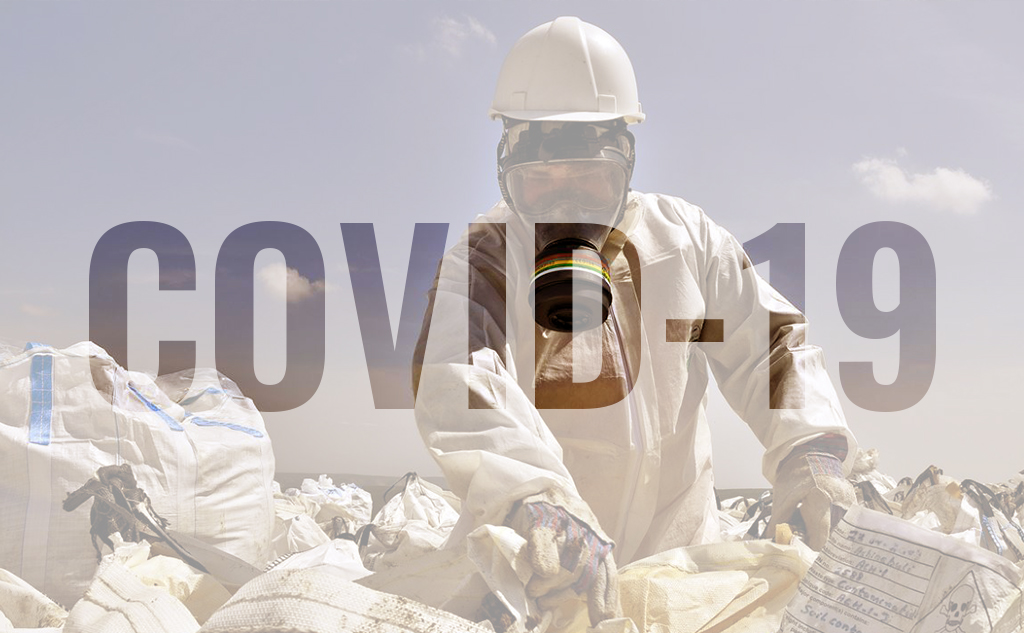
The emergence of COVID-19 has emphasised the relationship between people and nature, and revealed the fundamental principles of the dilemma we continually face: humans have unlimited needs, but the planet has limited capacity to meet them.
We have to try to understand and assess the limits to which we can push nature before its impact is negative. Such limits must be reflected in our consumption and production patterns.
Recycle.
Take quick showers.
Pick up rubbish from beaches, parks, streets, to prevent water contamination.