An inclusive education caters for diversity in the classroom, creating an environment which promotes students’ academic and emotional development
Did you know we held a three-day educational Festival on inclusion and trends, packed with practical ideas you can bring to your classroom, led by leading experts?
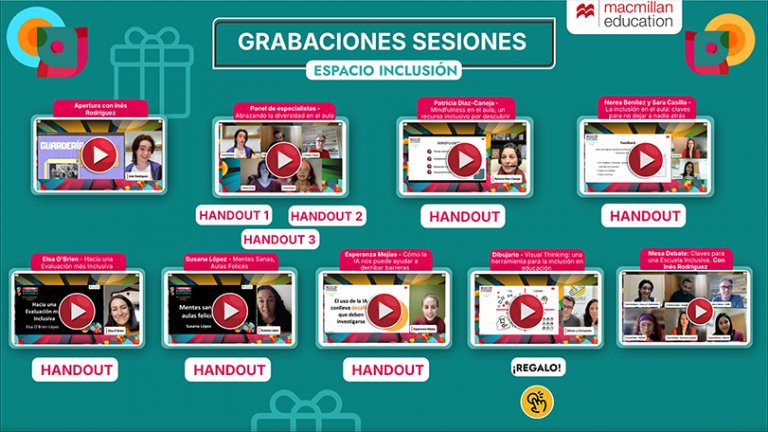
If you weren’t able to attend the Festival or want to rewatch the session recordings, download the handouts, or print the Inclusion Summary Poster, join us now!
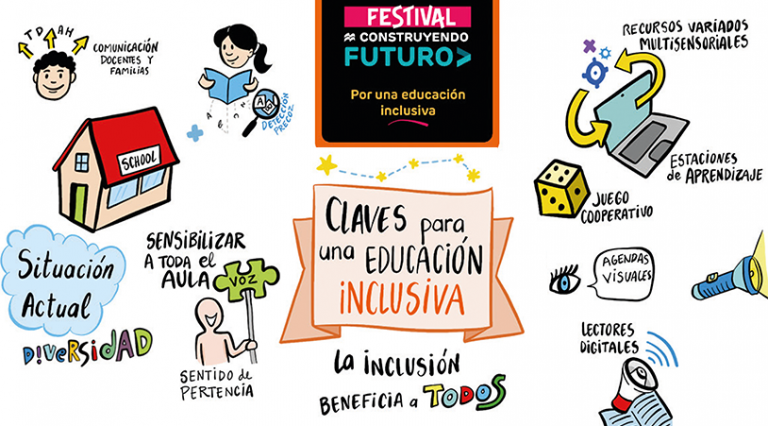
During the Festival, Dibujario created a fantastic summary to condense the ideas discussed about inclusive education. Download the poster, print it to display in the teacher’s room, and share it so we can make classrooms a place where all students can develop their potential.
At Macmillan Education our aim is to accompany you in making your teaching practice inclusive. We are committed to facilitating access to an inclusive education in which all students have an optimum learning experience without the need for labels or segregation within the classroom.
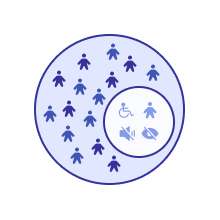
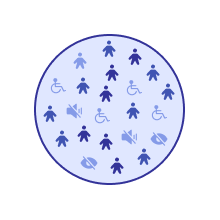
Inclusive classrooms not only benefit students with neurodivergences and disabilities, but also all students, allowing them to develop in an environment where all kinds of diversity are regarded without prejudice and with equity and respect.
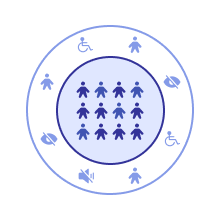
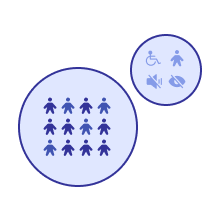
EXCLUSION
SEGREGATION
INTEGRATION
INCLUSION
As a first step towards accessibility in the diverse classroom, we would like to help teachers to recognise and understand neurodivergence and disability. This will allow us to create an inclusive environment for all students, irrespective of their circumstances.
As teachers, it is very important that we avoid bias that leads us to mistaken assumptions such as the belief that students with disability or neurodivergence are unable to learn. Promoting students’ strengths will contribute greatly to their learning and your teaching practice.
Families and expert staff are your allies. Involve them and take advantage of their knowledge and expertise.
DISABILITIES
Disabilities can range from visual and hearing to those that impede physical movement and intellectual disability. Here we will focus on innate disability.